A student project that began with a broken workflow became a quiet argument against everything the modern accessories market stands for.
There is a particular logic to Santiniketan that doesn't translate easily. Rabindranath Tagore built the place as a deliberate counter-proposal to industrial education, open classrooms, slow learning, the primacy of making things by hand. Over a century later, that logic is still doing something to the people who study there.
Rishita Mitra arrived as a first-year student with a project already running. She'd been making polymer clay jewellery under a brand called Funky Fluff, small, characterful pieces that had a following. Then the constraints of hostel life caught up with her. Polymer clay needs an oven to cure. She didn't have one. The brand quietly died.
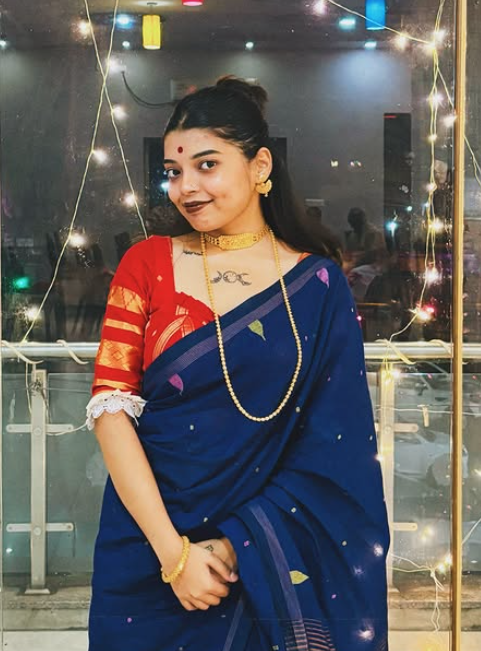
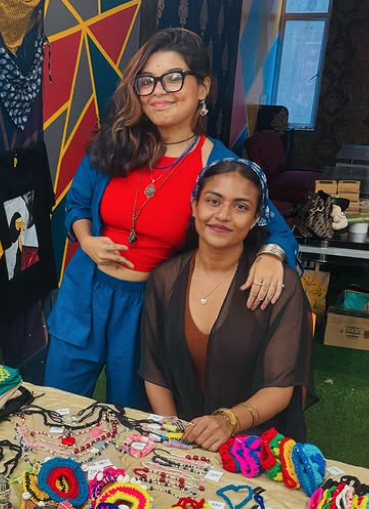
Rishita Mitra, Co-Founder, Mouri
"It just wasn't sustainable without the right infrastructure," she says. "But I didn't want to stop making things."
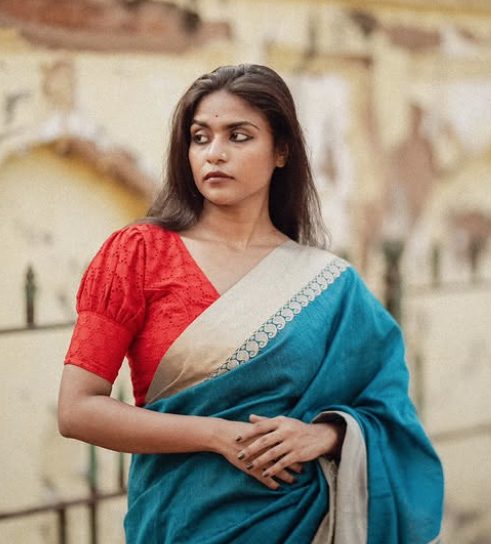
Moumita Dutta, CO-Founder, Mouri
So she didn't. In her second year, she brought in her friend Moumita Dutta, rethought the materials, and started again. The new brand needed a name. A friend suggested something simple: take Mou from Moumita, ri from Rishita, put them together. Mouri. মৌরি. It stuck.
The Object in Question
If you encountered a Mouri piece without context, you might look at it twice before you understood what it was. The brand's current focus, the thing that defines it now, is custom-sculpted lighters. Not lighters with a decal. Not screen-printed or laser-engraved. Hand-sculpted characters built directly onto the body of a functioning lighter, turned into something that looks like it belongs in a collector's cabinet rather than a jacket pocket.
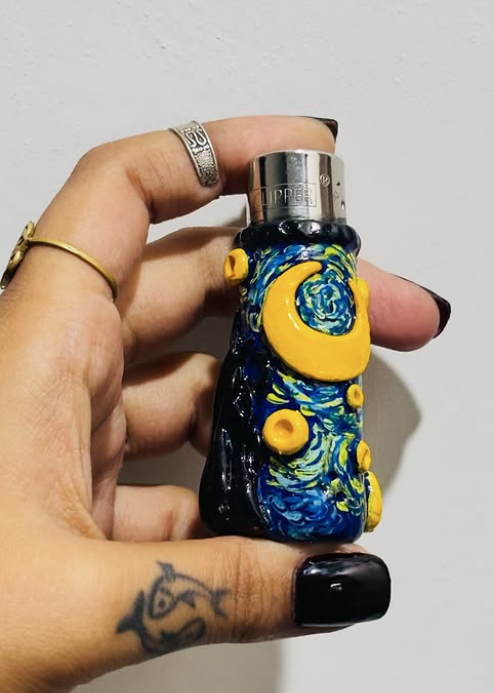
The shift away from jewellery wasn't a dramatic strategic decision. Mouri still makes some of the jewellery lines that people kept asking for. But the lighters became the centre of gravity, an everyday utilitarian object, quietly transformed into something singular.
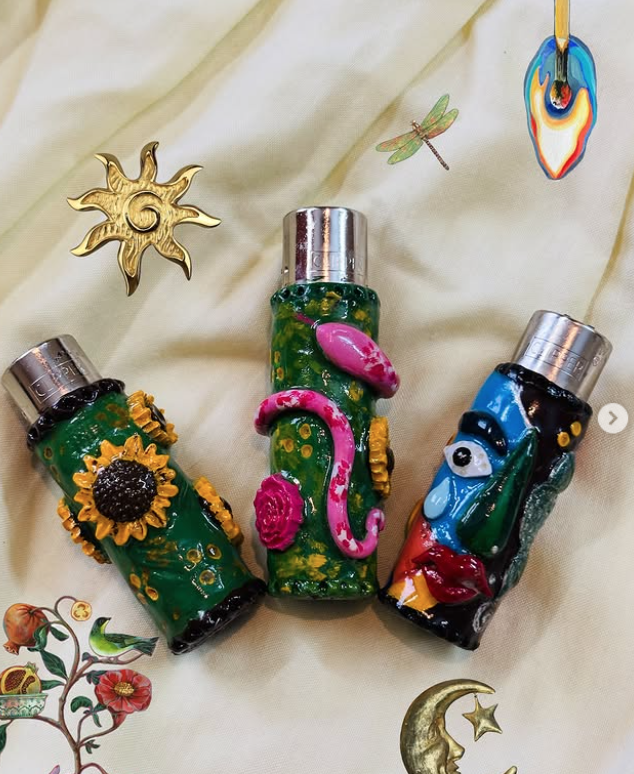
"A lighter is something you reach for without thinking," Rishita says. "We wanted that moment of reach to feel like finding something no one else has."
That instinct is the brand's entire philosophy, compressed into one sentence.
The One-Piece Rule
Mouri does not produce runs. Every item that leaves the studio is a single edition. Not limited, singular. There is no second version of the same piece in the world.
This isn't marketing language. It's a structural commitment that Rishita has hardwired into how the brand operates. Different proportions, different details, different decisions made in the moment of making. The name might rhyme with something that came before. The object never does.
"Even if I try to replicate something exactly, it won't be exact," she says. "That's the point. Every piece carries the moment it was made in."

In an industry where independent brands routinely use "handmade" as a marketing claim while manufacturing at scale, Mouri's version of the word means something more literal. There is no factory version waiting behind the studio version.
The Business of Going Slowly
Moumita is now based in Hyderabad. The daily operations, production, inventory, retail relationships, brand decisions, fall entirely to Rishita, working out of Santiniketan. The split is logistical, not philosophical. Both founders built Mouri on the same premise: that craft made with personal investment doesn't need to be in a rush to be legitimate.
The distribution model reflects that. Mouri doesn't run ads. There is no aggressive push onto national marketplace platforms. Instead, the brand places product in small physical retail shops in Santiniketan and runs a storage and retail point in Midnapore. Word moves through local networks, through the kind of consignment relationships that require actual trust between a maker and a shopkeeper.
"We're not chasing numbers right now," Rishita says. "We're building something that we actually believe in. The growth will happen when it happens."
The next objective is a dedicated independent store, a space where the work can exist on its own terms, surrounded by context built specifically for it, rather than sitting on a shelf between things it has nothing to do with.
There is a version of this story that gets told as a scrappy underdog narrative, full of pivot points and hustle. That's not quite what Mouri is. It's quieter than that, and more deliberate. A brand built inside the constraints of student life in a town that was always going to make you think twice about what's worth producing and what isn't.
Santiniketan has that effect. Mouri is the proof.
Mouri is stocked at select retail locations in Santiniketan and Midnapore. For enquiries, follow the brand on Instagram.
Brand Name: Mouri
Founders: Rishita Mitra, Moumita Dutta
Location: Shantiniketan, West Bengal, India